AC Repair
Technicians assess the full heating system rather than replacing parts at random. They document findings and explain options before proceeding. Work is performed to the code requirements that apply in Alaska.
HVAC · Alaska
Cobra HVAC handles HVAC work across Alaska.
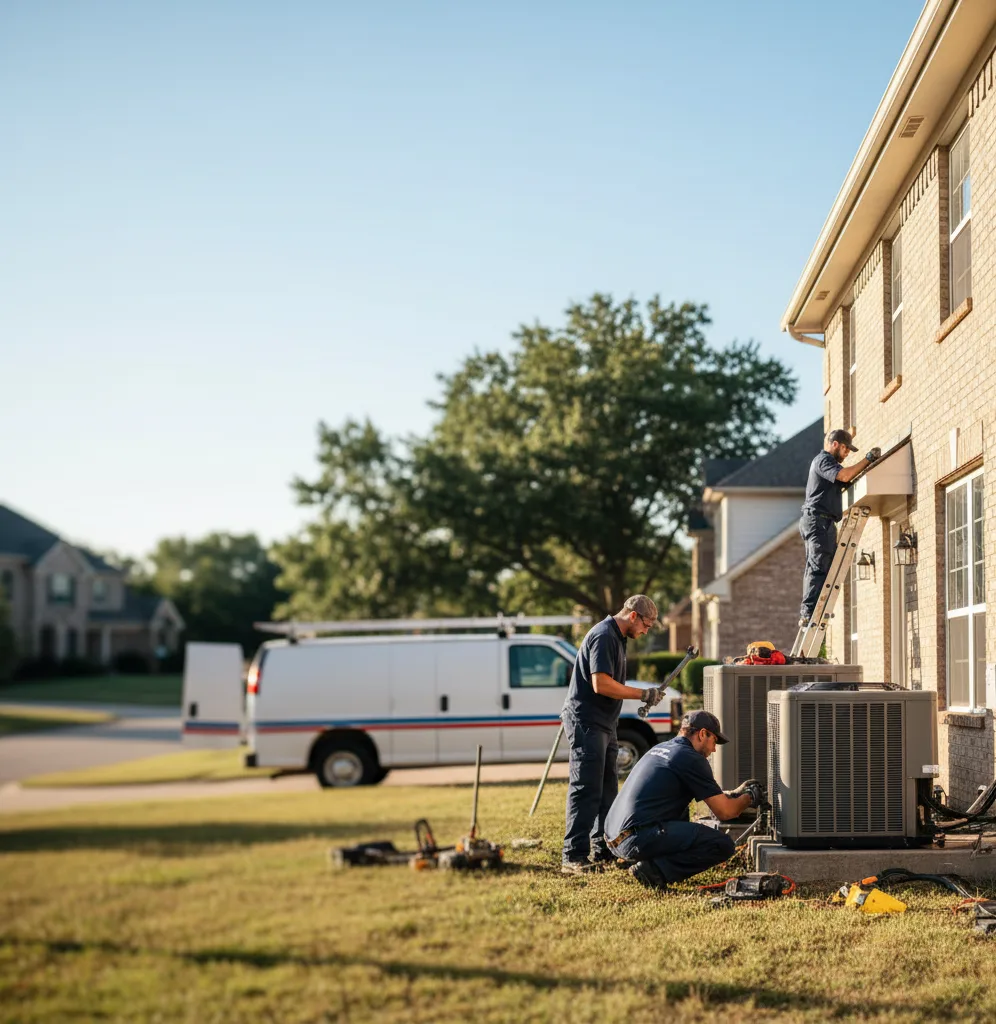
Every job follows the permit rules and local code standards that apply in that area of Alaska.
Technicians inspect the entire setup rather than only the part that stopped working.
Work is performed by people licensed where the state requires it and familiar with common Alaska housing styles.
Services
Technicians assess the full heating system rather than replacing parts at random. They document findings and explain options before proceeding. Work is performed to the code requirements that apply in Alaska.
Cobra HVAC follows the same diagnostic sequence on every heating system repair so that the cause is identified before parts are replaced. Work complies with local code and permit rules wherever the state requires licensing.
Cobra HVAC follows a documented inspection sequence on every call. The same measurements and safety checks are completed regardless of the property size or system age. Notes from each visit stay with the job record so future technicians have context.
Cobra HVAC performs load calculations on site rather than relying on rule-of-thumb estimates. Equipment is selected only after the structure, ductwork, and local climate factors are reviewed.
Cobra HVAC focuses on matching the right equipment to each house for AC Installation rather than pushing a single model. The crew handles removal, placement, and startup in one visit when the site allows.
Technicians follow a documented checklist that covers electrical, mechanical, and airflow components. Findings are recorded so future visits can compare performance data directly.
Cobra HVAC follows a documented sequence that begins with inspection and ends with verification. Equipment is selected to match the duct dimensions and material found on site.
Homes across Alaska face the same weather stresses year after year. Hail dents outdoor coils, heavy rain leads to water intrusion near condensers, and high winds can shift rooftop units. Long summer heat pushes equipment past its design limits while freeze-thaw cycles stress pipes and valves. When these conditions appear, airflow may drop, rooms may heat or cool unevenly, or the unit may short-cycle. A technician starts by checking thermostat placement, filter condition, and duct connections before moving to the outdoor equipment. They measure temperature splits, test capacitor values, and look for oil stains that point to refrigerant leaks. Once the root cause is identified, the repair focuses on restoring the original performance rather than simply replacing parts.
Many Alaska residents first notice higher utility bills or longer run times before any complete failure occurs. Dust buildup on vents often signals that the blower is working harder than it should. Ice forming on the suction line usually points to low refrigerant or poor airflow. These clues help narrow the diagnosis before gauges are attached. Technicians also verify that condensate drains are clear, because standing water can shut the system down during humid spells common in many parts of the state.
Why us
Consistent processes and standards wherever the job takes place
Cobra HVAC handles heating and cooling needs for homes and businesses throughout Alaska. We always start with an on-site visit to check the actual conditions before any pricing or plan is prepared.
The technician who performs the initial site review is the same person who completes the work.
A written description of the scope and cost is provided and confirmed before any work begins.
Parts commonly required for repairs are stocked on the vehicle for use during the visit.
Replaced components stay at the property for inspection unless the owner requests their removal.
Our process
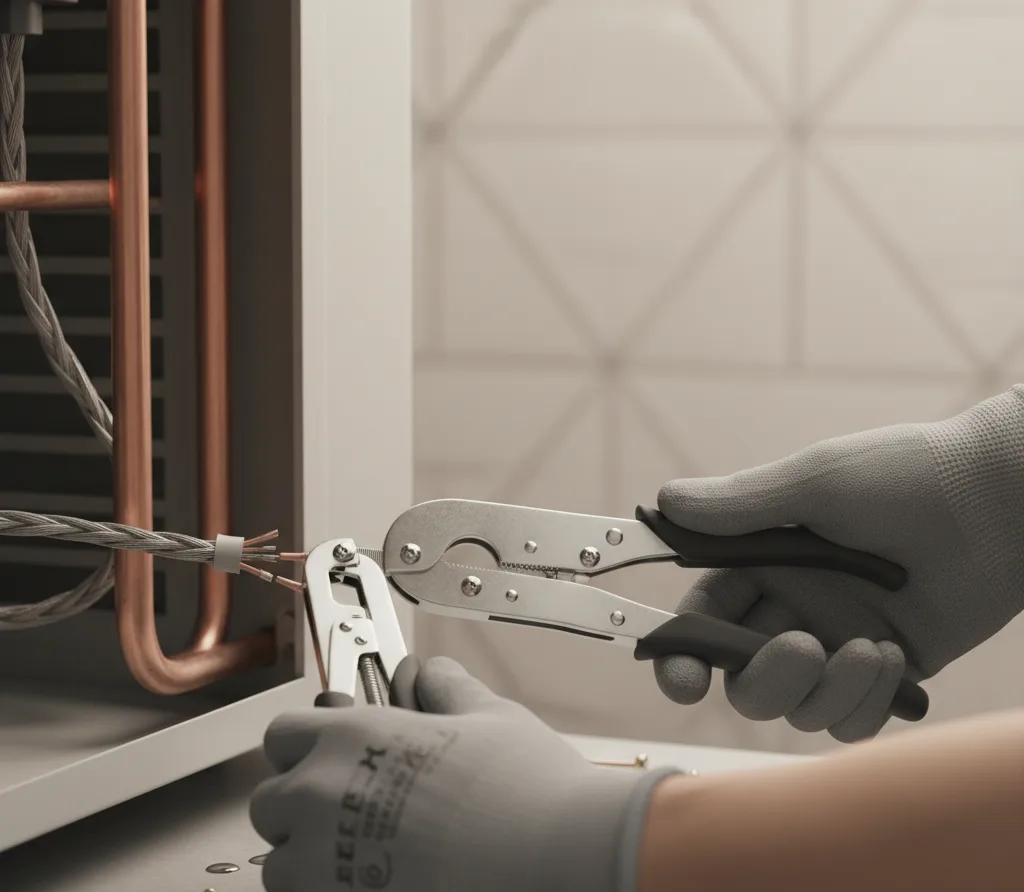
The crew starts with questions about recent performance, then moves to a structured inspection of the system. Findings are reviewed before any parts are ordered or installed.
The process begins with a review of the equipment age, recent changes in performance, and any prior repairs. Next the technician records model numbers and checks the electrical disconnect and breaker size. They then move through the refrigeration circuit, combustion chamber if applicable, and the distribution system. When parts are needed, the technician notes the exact specifications so the replacement matches the original design. Before leaving, they confirm that the system reaches the expected temperature differential and that safety switches operate correctly. This sequence keeps the work consistent whether the home is in a dense neighborhood or on a larger lot.
Simple calls often involve capacitor replacement or filter changes. More involved visits address mismatched indoor and outdoor units, ductwork that has separated at joints, or controls that no longer communicate with the thermostat. Older homes in Alaska may have undersized returns or single-pane windows that affect how long the equipment runs. The technician explains these factors so the owner understands why one repair may not solve every temperature complaint in the house.
We handle HVAC work for properties all over Alaska. Severe winters and big temperature swings put extra stress on heating and cooling gear. We stick to the same careful approach in every area, but adjust it for local building styles and weather.
Every job starts with a full check of the system. We lay out what we see in plain language and go over the steps plus the total cost before any work begins. Our technicians follow consistent procedures for HVAC maintenance statewide so the quality stays the same no matter the location. We push for rapid response times when something comes up.
Working across Alaska has shown us the range of HVAC issues that turn up in different places. That experience shapes the practical recommendations we give for each home or business. We go over questions about comfort systems and explain the options clearly before decisions are made. It keeps equipment running efficiently through the state's demanding climate year after year.

Pricing
The final amount depends on the age of the equipment, the parts required, and how accessible the unit is inside the home or on the roof. The figures below are starting points only.
AC Repair — starting at $185 Furnace Repair — starting at $195 Capacitor Replacement — starting at $145 Thermostat Replacement — starting at $165 Blower Motor Replacement — $425-$675 Condenser Fan Motor — $295-$425 Refrigerant Leak Search — starting at $225 Annual Maintenance Agreement — starting at $185 per year Ductwork Repair (minor) — starting at $275 Filter and Coil Cleaning — starting at $135
Property managers in Alaska often schedule seasonal inspections to keep multiple units operating at the same time. The same weather factors that affect houses also affect small offices and retail spaces. Technicians document filter changes and belt conditions so records are available for future service. Maintenance plans focus on tasks that reduce the chance of mid-season breakdowns rather than promising uninterrupted operation.
Clear access to the indoor unit, outdoor unit, and thermostat helps the visit move smoothly. Noting which rooms feel different from others gives the technician a starting point. Keeping recent utility statements handy can show whether energy use has changed gradually or suddenly.
FAQ

The price depends on the location of the leak, whether access requires removing panels or moving ductwork, and how much refrigerant must be recovered and replaced. Small leaks in accessible lines are often less expensive than those inside the coil itself. A full diagnosis is needed before an accurate range can be given.
Most filters slide out from a marked compartment near the indoor unit and can be swapped without tools. If the system still runs poorly after a new filter is installed, the next step is a check of the blower wheel and evaporator coil for deeper buildup. A service call then confirms whether the issue is limited to airflow or something further in the refrigeration circuit.
Short cycling often comes from an oversized system, a dirty filter that restricts airflow, or a failing thermostat that misreads room temperature. The technician checks the temperature split across the coils and reviews the recent run times logged by the control board. Once the cause is identified the repair focuses on restoring steady operation rather than masking the symptom.
Nearby
Coverage